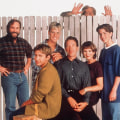
Tim Allen's career is a remarkable journey that showcases his evolution from a stand-up comedian to a household name in television and film. Best known for his role as Tim Taylor on the iconic sitcom Home Improvement , Allen captured the hearts of millions with his comedic timing and relatable portrayal of a bumbling yet lovable father. The show, which aired from 1991 to 1999, not only solidified his status as a leading man in Hollywood but also became a cultural touchstone, influencing how families viewed home renovation and DIY projects.Transitioning from the world of sitcoms, Tim Allen embraced the holiday spirit with his portrayal of Santa Claus in the beloved film series The Santa Clause. This role allowed him to showcase a different side of his acting abilities, blending humor with heartfelt moments that resonated with audiences of all ages.
The success of The Santa Clause franchise further cemented his legacy, proving that he could thrive in both comedic and family-oriented narratives.As we delve deeper into Tim Allen's multifaceted career, it becomes evident that his impact extends beyond just two iconic roles. His ability to connect with viewers through humor and authenticity has left an indelible mark on the entertainment industry. From his early days in stand-up comedy to his current endeavors, including reprising his role as Santa Claus for a new generation, Tim Allen's legacy is one of resilience, creativity, and an enduring love for storytelling.
The Rise of Tim Allen: Early Life and Career Beginnings
Tim Allen's journey to stardom is as fascinating as the characters he has portrayed on screen. Born on June 13, 1953, in Denver, Colorado, Tim was raised in a family that valued humor and creativity.His father, a real estate agent, passed away when Tim was just 11 years old, leaving a profound impact on his life. This early loss shaped his perspective and fueled his desire to make people laugh, a trait that would later define his career.Growing up in a suburban environment, Tim found solace in comedy. He often entertained his friends and family with impressions and jokes, showcasing a natural talent for humor. After high school, he attended Western Michigan University, where he initially pursued a degree in telecommunications.
However, it was during this time that he discovered his passion for stand-up comedy.In the late 1970s, Tim began performing at local comedy clubs, honing his craft and developing a unique comedic style that blended observational humor with self-deprecation. His big break came when he won a spot on the popular television show Comedy Showcase on HBO in 1988. This exposure led to more significant opportunities, including appearances on The Tonight Show Starring Johnny Carson, where he quickly became a favorite among audiences.Tim's transition from stand-up to acting was seamless. His comedic timing and relatable persona caught the attention of producers, leading to his casting in the hit sitcom Home Improvement in 1991. As Tim Taylor, the bumbling yet lovable host of a home improvement show within the show, Tim Allen showcased his ability to blend humor with heartfelt moments. This role not only solidified his status as a household name but also set the stage for his future endeavors in both television and film.Tim Allen's early life and career beginnings are essential to understanding the man behind the characters.
His experiences shaped his comedic voice and laid the groundwork for a successful career that would span decades. From stand-up stages to television screens, Tim's journey is a testament to the power of resilience and the importance of following one's passion.
Home Improvement: A Cultural Phenomenon
Home Improvement
debuted on September 17, 1991, and quickly became a staple of American television. The show revolved around Tim Taylor, played by
Tim Allen
, who was the host of a fictional home improvement show called Tool Time. With his catchphrase "More power!" and a penchant for over-the-top DIY projects, Tim embodied the archetype of the well-meaning but often bumbling husband and father.
The series not only entertained audiences but also provided a humorous lens through which to view the challenges of home renovation and family life.The premise of Home Improvement was simple yet effective: each episode typically featured Tim attempting to tackle various home improvement tasks, often with disastrous results. His sidekick, Al Borland (played by Richard Karn ), served as the voice of reason, providing practical advice that Tim frequently ignored. This dynamic created a comedic tension that resonated with viewers, making the show both relatable and entertaining.Beyond its humor, Home Improvement had a significant cultural impact. It addressed themes such as masculinity, family dynamics, and the trials of suburban life.
Tim's character often struggled to balance his ambitions with his responsibilities as a husband and father, reflecting the real-life challenges many viewers faced. The show also highlighted the importance of communication within families, as Tim frequently learned valuable lessons about listening to his wife, Jill (played by Patricia Richardson ), and understanding his children's needs.The character of Tim Taylor became iconic in American pop culture. He was not just a caricature of the stereotypical man; he was a complex character who evolved throughout the series. Viewers witnessed his growth from a self-assured handyman to a more introspective individual who recognized the value of teamwork and compromise.
This character development made him relatable to audiences, allowing them to see parts of themselves in his struggles and triumphs.
Home Improvement
also paved the way for discussions about home improvement projects in popular culture. It inspired countless viewers to take on their own DIY endeavors, often with mixed results reminiscent of Tim's escapades. The show's blend of comedy and practical advice made it a unique entry in the television landscape, solidifying its legacy as a beloved series that continues to resonate with fans today.
The Legacy of Tool Time: Behind the Scenes of Home Improvement
One of the most iconic elements of Home Improvement was the fictional television show within the show, Tool Time. This segment not only served as a comedic backdrop but also provided a unique lens through which viewers could explore various home improvement projects.Hosted by Tim Taylor, played by Tim Allen, and his trusty sidekick Al Borland, portrayed by Richard Karn, Tool Time became a beloved staple of the series.The format of Tool Time was simple yet effective. Each episode typically featured Tim and Al tackling a specific DIY project, ranging from building a deck to installing a new kitchen sink. However, true to the show's comedic roots, these projects often went hilariously awry due to Tim's overzealous approach and lack of expertise. This created a perfect storm of chaos that kept audiences laughing while also providing genuine tips and tricks for home improvement enthusiasts.Memorable moments from Tool Time include Tim's infamous catchphrase, "More power!" which he would exclaim while demonstrating increasingly dangerous tools and gadgets.
This catchphrase not only highlighted Tim's character as a bumbling yet enthusiastic handyman but also became a cultural reference point for fans of the show. Additionally, the dynamic between Tim and Al was a significant draw; their contrasting personalities—Tim's brashness versus Al's cautious demeanor—created a comedic tension that resonated with viewers.The chemistry between Tim Allen and Richard Karn was palpable both on and off-screen. Their friendship extended beyond the set, contributing to the authenticity of their performances. In interviews, Karn has often shared anecdotes about their time together, emphasizing how their mutual respect and camaraderie translated into their roles on Tool Time.
This genuine bond allowed them to create memorable interactions that fans still cherish today.Behind the scenes, Tool Time was crafted with meticulous attention to detail. The show's producers ensured that each project was not only entertaining but also educational. They collaborated with real-life contractors and home improvement experts to provide accurate information, making it a valuable resource for viewers looking to tackle their own home projects.In conclusion, Tool Time was more than just a segment on Home Improvement; it was a cultural phenomenon that showcased the humor and heart of the series. The combination of Tim Allen's comedic genius and Richard Karn's steady presence created an unforgettable duo that continues to resonate with fans long after the show's conclusion.
Transitioning to Film: The Santa Clause Franchise
Tim Allen's transition from television to film marked a significant evolution in his career, particularly with the launch of The Santa Clause franchise.The first film, released in 1994, introduced audiences to Scott Calvin, a man who inadvertently becomes Santa Claus after a fateful encounter on Christmas Eve. This premise not only showcased Allen's comedic talents but also allowed him to explore themes of family, responsibility, and the magic of the holiday season.The plot unfolds as Scott, played by Tim Allen, struggles with his new identity after he accidentally causes Santa to fall from his roof. Upon discovering the Santa suit and the accompanying responsibilities, Scott faces skepticism from his family and friends. However, as he embraces his role, he transforms into a beloved figure who brings joy to children around the world.
The film's blend of humor and heart resonated with audiences, leading to its commercial success and establishing it as a holiday classic.Following the success of the first film, The Santa Clause spawned two sequels: The Santa Clause 2 in 2002 and The Santa Clause 3: The Escape Clause in 2006. Each installment further developed Scott's character and introduced new challenges. In The Santa Clause 2, Scott must find a Mrs. Claus before Christmas arrives, adding a romantic subplot that deepened the narrative. Meanwhile, The Santa Clause 3 introduced Martin Short as Jack Frost, who attempts to take over Christmas, providing a fresh antagonist for Scott to contend with.The reception of these films varied; while the original remains a beloved favorite, the sequels received mixed reviews.
However, they collectively contributed to Tim Allen's legacy as a family-friendly actor capable of bringing warmth and humor to iconic roles. His portrayal of Santa Claus became synonymous with the character itself, endearing him to audiences of all ages.Beyond The Santa Clause, Tim Allen's film career post-Home Improvement included various projects that showcased his versatility. He lent his voice to Buzz Lightyear in Pixar's Toy Story series, further solidifying his status as a household name. This role not only highlighted his comedic timing but also allowed him to connect with younger audiences.In summary, Tim Allen's transition from television star to film icon through The Santa Clause franchise exemplifies his ability to evolve as an entertainer while maintaining his core comedic style.
The films not only enriched his career but also left an indelible mark on holiday cinema, ensuring that his portrayal of Santa Claus will be cherished for generations to come.
The Evolution of Tim Allen's Career Post-Home Improvement
After the conclusion of Home Improvement in 1999, Tim Allen embarked on a diverse and dynamic career that showcased his versatility as an actor and comedian. While he had already established himself as a household name through his portrayal of Tim Taylor, the transition to new roles allowed him to explore different facets of his talent.One of the most significant milestones in Allen's post-Home Improvement career was his collaboration with Disney. He lent his voice to the beloved character Buzz Lightyear in the Toy Story franchise, which began with the original film in 1995 and continued with several sequels and spin-offs. This role not only solidified his status as a family-friendly star but also introduced him to a new generation of fans.The success of Toy Story led to numerous opportunities for Allen in animated films, further expanding his reach in the entertainment industry.In addition to his work in animation, Tim Allen returned to live-action television with the sitcom Last Man Standing, which premiered in 2011. In this series, he played Mike Baxter, a conservative father navigating the challenges of raising three daughters in a modern world. The show resonated with audiences and ran for nine successful seasons, allowing Allen to reconnect with fans who had followed him since his days on Home Improvement. The humor and heart of Last Man Standing echoed the charm of his earlier work while addressing contemporary issues.Beyond television, Tim Allen has also ventured into film projects that showcase his comedic prowess. He starred in the The Santa Clause series, where he portrayed Scott Calvin, a man who inadvertently becomes Santa Claus.
This role became iconic and led to two sequels, further cementing his legacy in holiday cinema. Recently, he reprised this role for a new series on Disney+, bringing nostalgia to long-time fans while introducing the character to new audiences.Throughout these years, Tim Allen's ability to adapt and evolve has been remarkable. His collaborations with Disney have not only defined his career but have also created a lasting impact on family entertainment. As he continues to take on new projects, it is clear that Tim Allen's legacy is built on both his comedic talent and his enduring connection with audiences across generations.
The Impact of Tim Allen on Pop Culture and Comedy
Tim Allen's influence on comedy and pop culture is profound and multifaceted, stemming from his unique ability to blend humor with relatable life experiences.His journey from stand-up comedian to television star has not only shaped his career but also left an indelible mark on the entertainment industry.One of the most significant aspects of Tim Allen's comedic style is his knack for physical comedy, which he showcased brilliantly in Home Improvement. The character of Tim Taylor, a bumbling yet lovable father and husband, resonated with audiences who found humor in his misadventures with home repairs and family life. This portrayal helped redefine the sitcom genre, emphasizing the importance of family dynamics while delivering laughs through relatable scenarios.Moreover, Tim's signature catchphrases, such as "More power!" and his iconic grunt, became cultural touchstones that transcended the show itself. These phrases not only contributed to the show's popularity but also influenced a generation of comedians who sought to capture similar comedic elements in their work.Beyond Home Improvement , Tim Allen's impact extends into film, particularly with his role as Buzz Lightyear in the Toy Story franchise.
His voice brought to life a character that has become a symbol of childhood nostalgia and friendship. The success of Toy Story not only solidified Tim's status as a versatile actor but also demonstrated how animated films could convey deep emotional messages while remaining entertaining.Tim's contributions to pop culture are further highlighted by his ability to adapt and evolve with changing times. His return to television with The Santa Clause series showcases his enduring appeal and relevance in an ever-evolving entertainment landscape. By revisiting beloved characters, he taps into nostalgia while introducing them to new audiences.In summary, Tim Allen's legacy in comedy and pop culture is characterized by his unique blend of physical humor, relatable storytelling, and memorable characters.
His influence continues to inspire both audiences and aspiring comedians alike, ensuring that his impact on the entertainment industry will be felt for generations to come.
Fan Reactions and Nostalgia: The Enduring Appeal of Tim Allen's Characters
Tim Allen's characters, particularly Tim Taylor from Home Improvement and Santa Claus from The Santa Clause, have left an indelible mark on popular culture, eliciting strong reactions from fans across generations. The nostalgia associated with these shows is palpable, as they evoke memories of simpler times and family-oriented humor that resonates deeply with audiences.Fans often express their affection for Home Improvement through social media platforms, sharing clips and quotes that highlight the show's comedic brilliance. The character of Tim Taylor, with his bumbling yet endearing personality, embodies the quintessential dad figure who tries to balance work and family life while navigating the challenges of home improvement projects. This relatability is a significant factor in why viewers continue to cherish the show.Moreover, the dynamic between Tim and his sidekick Al Borland, played by Richard Karn, adds another layer of appeal.Their contrasting personalities—Tim's overzealousness and Al's calm demeanor—create a comedic tension that fans adore. Many recall fondly the moments when Tim's ambitious plans go awry, leading to hilarious outcomes that remind them of their own DIY mishaps.The nostalgia for The Santa Clause is equally strong. As Tim Allen reprises his role as Santa Claus in the recent series on Disney+, fans are reminded of the magic and warmth that the original films brought during the holiday season. The character of Santa, portrayed with a blend of humor and heart, resonates with both children and adults alike.
Viewers often share how these films have become a holiday tradition in their households, reinforcing family bonds through shared laughter and joy.In analyzing the appeal of these characters, it becomes clear that Tim Allen's ability to infuse humor into relatable situations is a key factor. His characters often find themselves in absurd scenarios that reflect real-life challenges, making them not only entertaining but also comforting. This connection fosters a sense of nostalgia that keeps fans returning to these beloved shows.Ultimately, the enduring legacy of Tim Allen's characters lies in their ability to evoke laughter while addressing universal themes of family, friendship, and personal growth. As new generations discover Home Improvement and The Santa Clause, it is evident that the charm of Tim Allen's performances will continue to resonate for years to come.
Conclusion: The Lasting Legacy of Tim Allen in Entertainment
Tim Allen's journey through the entertainment landscape is a testament to his remarkable versatility and enduring appeal.From his iconic role as Tim Taylor in Home Improvement to his heartwarming portrayal of Santa Claus in The Santa Clause, Allen has left an indelible mark on both television and film. His ability to blend humor with relatable life lessons has resonated with audiences across generations, making him a beloved figure in American pop culture.Throughout his career, Allen has demonstrated a unique talent for connecting with viewers. Home Improvement , which aired for eight successful seasons, not only showcased his comedic prowess but also highlighted the importance of family, friendship, and personal growth. The show's premise, centered around a fictional home improvement show, cleverly intertwined Allen's character's mishaps with valuable insights into domestic life.
This combination of humor and heart is a hallmark of Allen's work.As he transitioned from television to film, Allen continued to captivate audiences with his voice work in animated features like Toy Story , where he voiced the beloved character Buzz Lightyear. This role further solidified his status as a versatile actor capable of appealing to both children and adults alike. The success of the Toy Story franchise is a testament to his lasting impact on family entertainment.Moreover, Allen's return to the role of Santa Claus in the recent revival of The Santa Clause series demonstrates his ability to adapt and remain relevant in an ever-changing industry. His portrayal of Santa is not just about the jolly exterior; it delves into themes of redemption, responsibility, and the magic of believing—elements that resonate deeply during the holiday season.In conclusion, Tim Allen's legacy is characterized by his ability to evolve while staying true to the core values that have endeared him to fans.
His contributions to entertainment extend beyond mere laughter; they encompass life lessons that inspire and uplift. As audiences continue to enjoy his work, it is clear that Tim Allen will remain a cherished figure in the hearts of many for years to come.